

Lower retail loss ratios — together with your policyholders.
Wellness-linked insurance: validated engagement, annual screening, and disease management — turning co-payments & premium hikes from a complaint into an incentive policyholders control themselves.

The problem
Why retail loss ratios keep deteriorating.
Double-digit medical inflation is only half the story — individual health products carry four structural diseases group policies don't.
Adverse selection
The keenest buyers are those who expect to claim — the pool tilts toward bad risk from day one.
Persistency death spiral
Premiums rise → healthy members leave → the pool worsens → premiums rise again. Every renewal.
No gatekeeping
Nothing stands between the first symptom and a large hospital bill.
No touchpoints
You meet policyholders only at billing and at claims — with no instrument to change the risk itself.
The 2026 moment
Mandatory co-payment: a complaint — or a feature?
New OJK regulation
New indemnity health products must apply a minimum 10% co-payment from 2026.
Policyholders feel punished
“My premium went up — why do I still pay at claim time?” — a new sales friction across the industry.
The opportunity
The first insurer whose policyholders can lower their own co-payment wins the retail market.
10%
minimum co-payment on new indemnity products — 2026
The same burden for every player — the differentiator is who turns it into an incentive.
The core idea
Policyholders who prove they're healthy pay less.
Livewell Health Score
A score built from validated activity (GPS, pedometer, pace — anti-cheat), Nutrico+ habits, and annual screening — not just opening an app.
Tiered co-payment relief
A high score lowers the co-payment — say from 10% to 5% or 0%. Funded from the expected claims savings.
Renewal cashback & discounts
The annual score sets next year's cashback/discount — a strong reason for healthy members to stay in the pool.
The program
Three layers — from every policyholder to the highest risks.
LAYER 1
Engagement & Reward
Every policyholder
- Livewell XP & Nutrico+ as policy benefits
- Anti-cheat validated Health Score
- Brand-partner rewards
- Daily touchpoints with your brand
PMPM fee per active policy
LAYER 2
Annual Screening
Early detection for everyone
- Basic screening at accredited partner facilities
- Negotiated rates via the Livewell network
- Health Score booster
- Fresh risk data (consent-based)
Per screening · facility volume
LAYER 3
Disease Management
The highest-risk 5–10%
- Structured nutritionist coaching
- 1:1 clinical pathway with doctors
- Goal: halt disease progression
- The cohort behind most of your claims
Shared savings vs control
Layer allocation follows claims data + screening results — the small cohort behind most claims gets the deepest intervention.
The economics
Breakeven at ±5% claims reduction.
An illustration for a 10,000-policy retail cohort (avg premium Rp 5m/year, 100% claim ratio): program cost ±Rp 2.4bn/year. A −10% claims scenario nets ±Rp 2.6bn/year — before persistency & risk-selection effects.
An illustration — not a projection. Actual figures are computed with your actuarial team from your cohort's data; the pilot phase uses a flat PMPM fee, with shared savings activating only once the delta is proven.
Rp 2,4 M
program cost / year
Rp 2,5 M
saved @ claims −5%
Rp 5,0 M
saved @ claims −10%
Rp 7,5 M
saved @ claims −15%
Behind the analytics: partner facilities that lower claims.
Not a reporting vendor. Livewell partners with Plebo's healthcare facilities — OneLab by Plebo & Medias by Plebo — so risk isn't just measured, it's actually reduced. That's what moves your client's loss ratio.
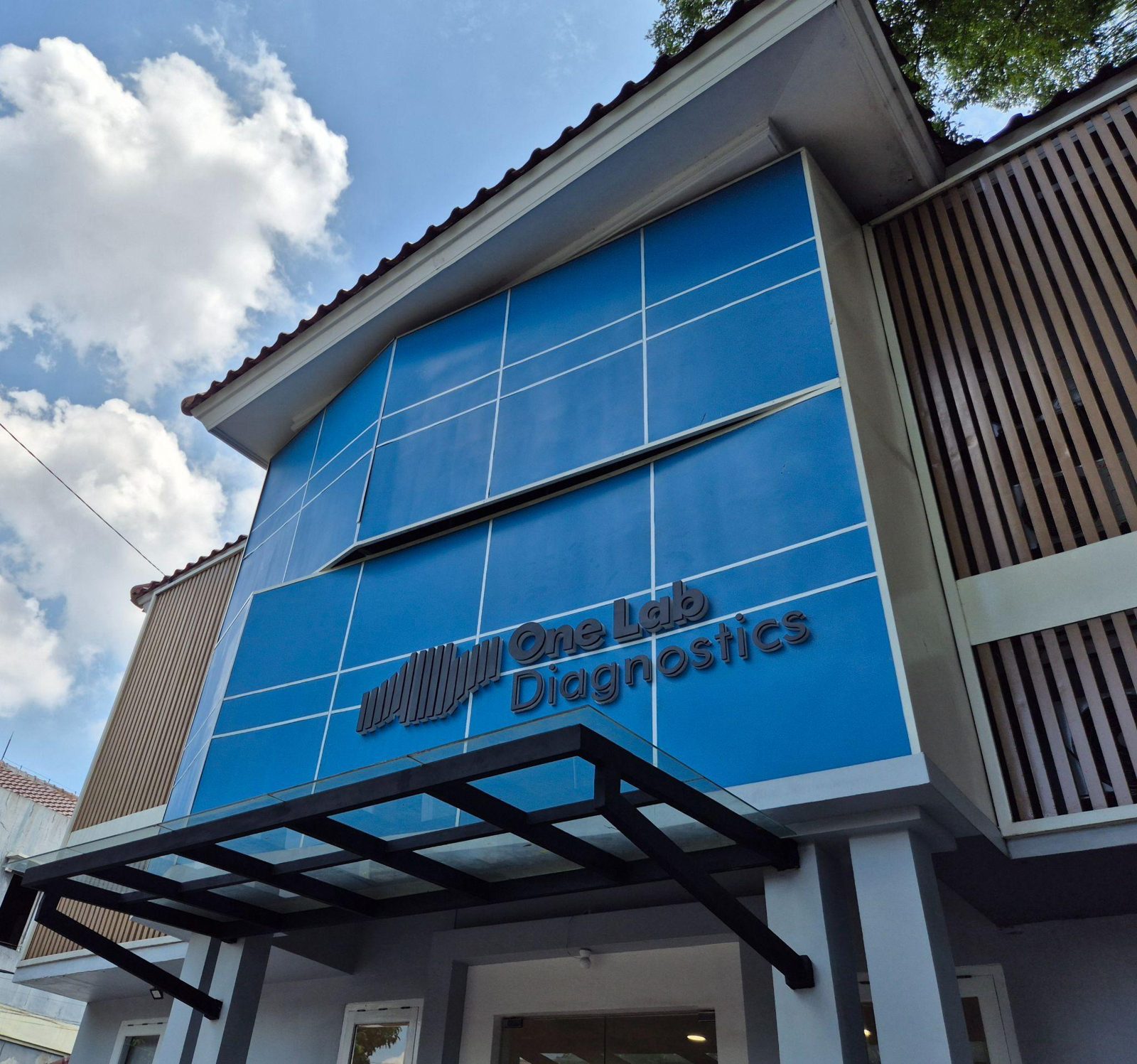
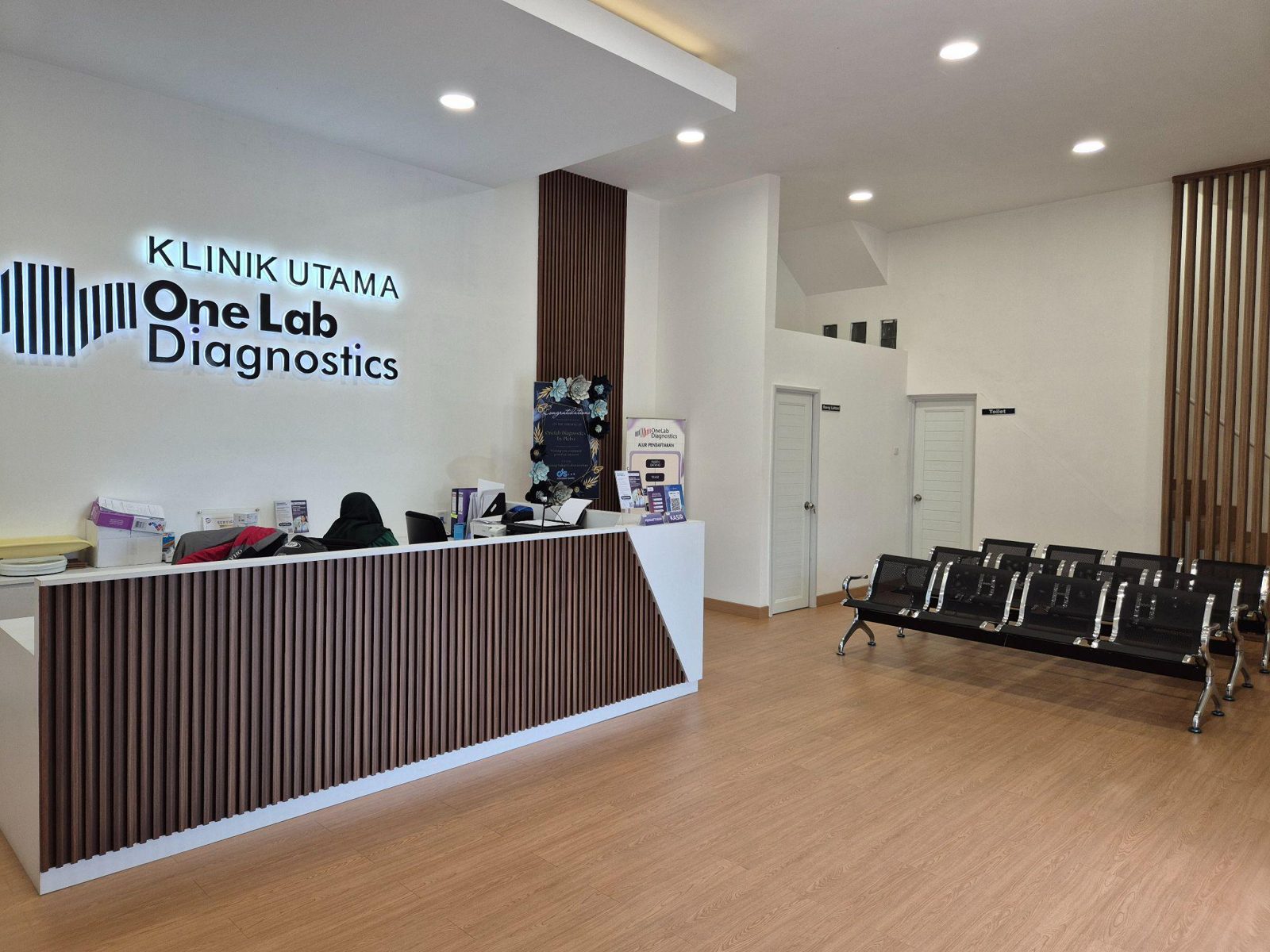
Accredited Plebo partner facilities
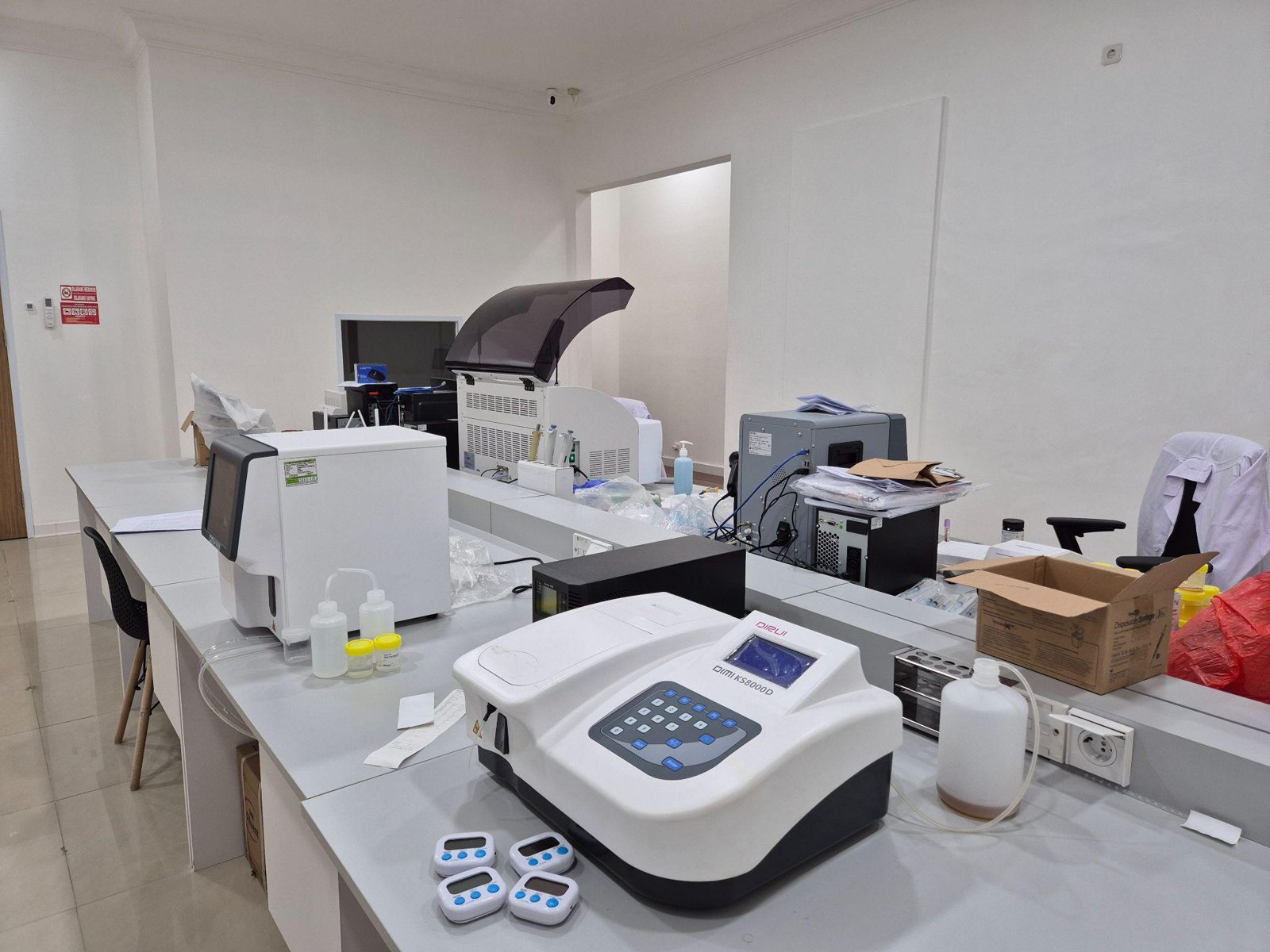
Diagnostic lab
The diagnostics that produce the data — not just a dashboard.
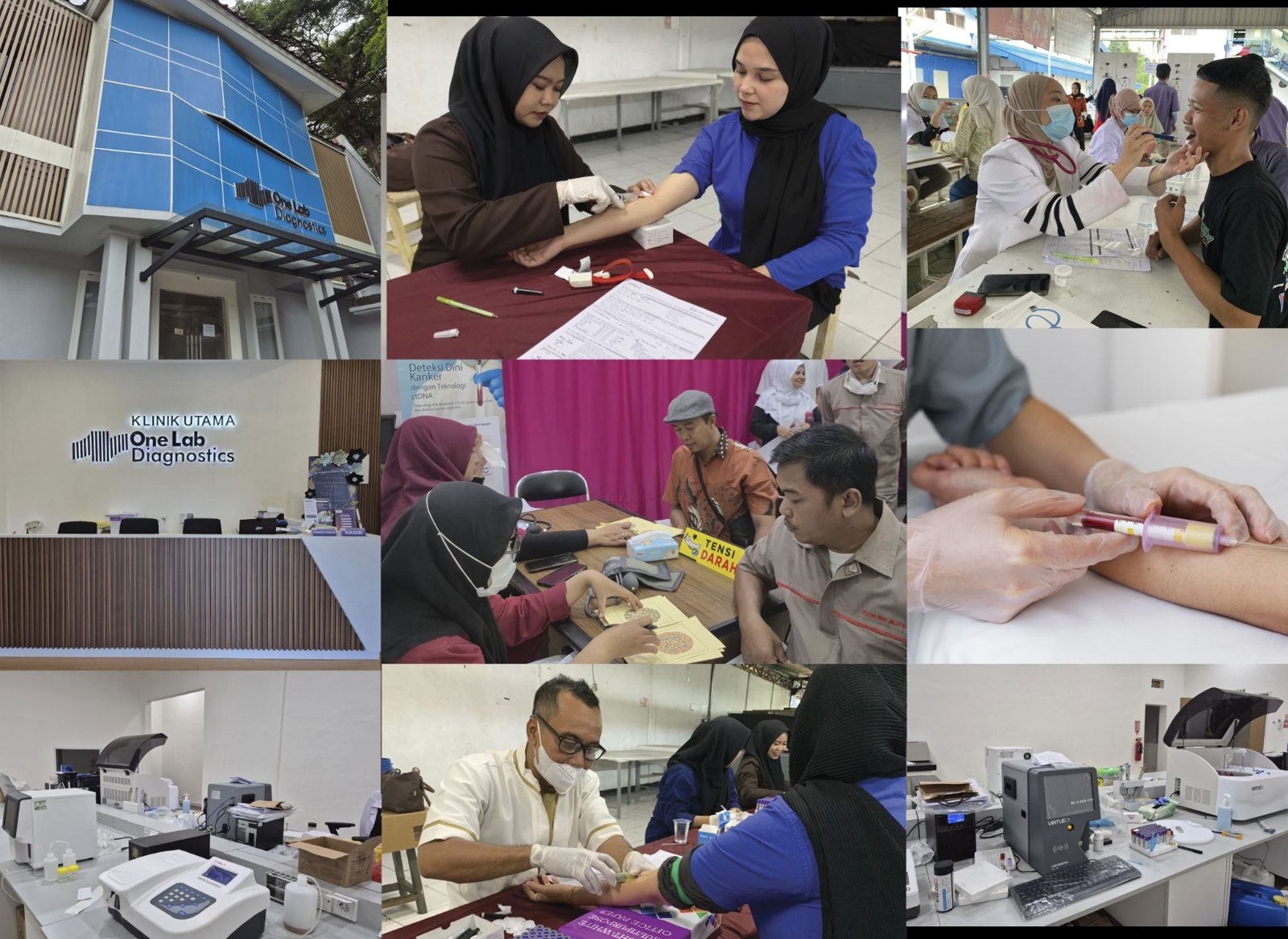
Medical team
Clinicians who follow through on findings, not just charts.
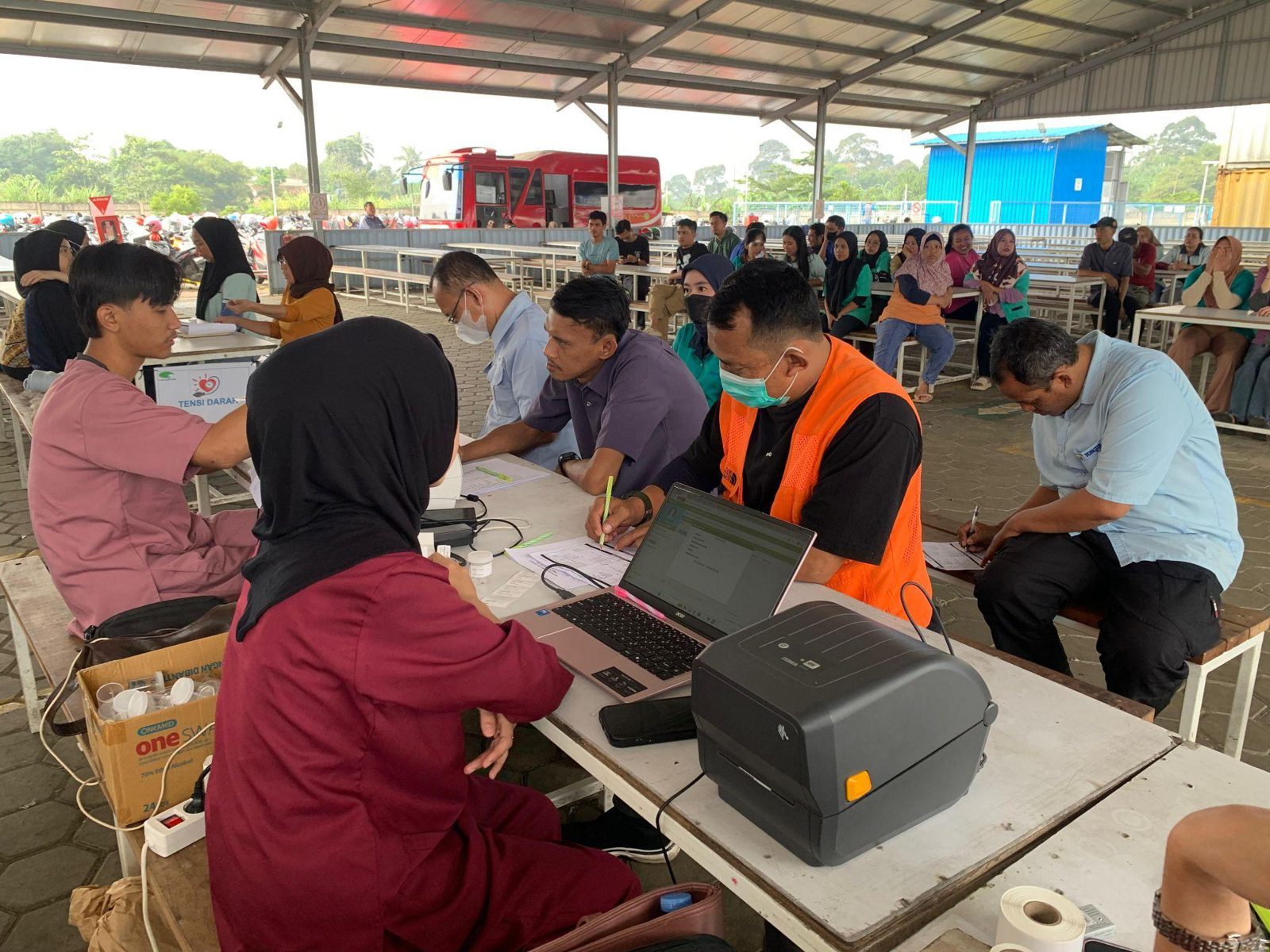
On-site MCU
We come to the workplace, across industries.

OlabPro — MCU partner
A main clinic licensed through 2028 — MCU, clinical lab & home care, connected to the AdMedika, Medika Plaza, Fullerton Health & BRI Life networks.
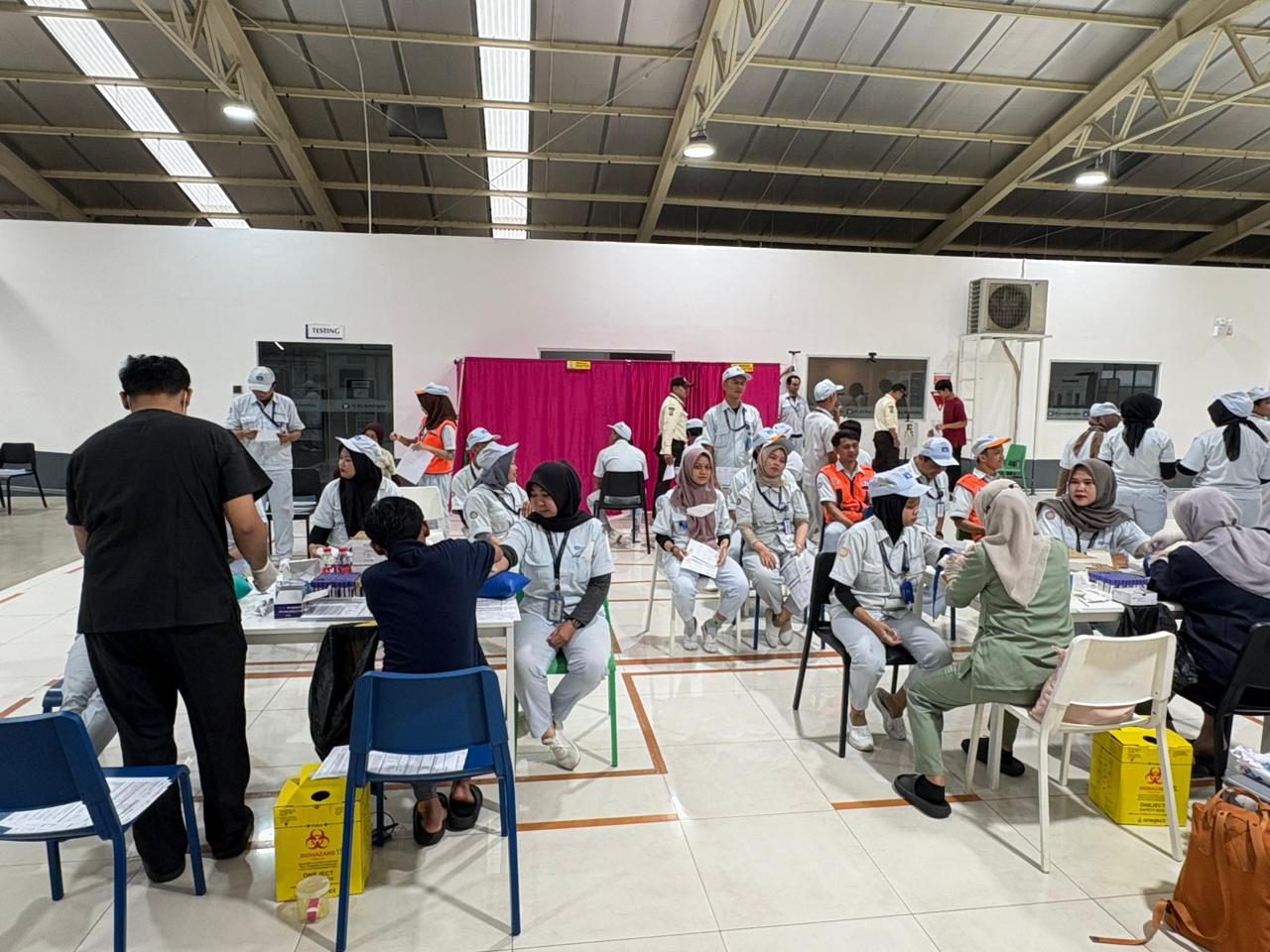
20,000+
employees served across manufacturing, garment & enterprise
10,700
employees screened in a single on-site MCU engagement
≈ 20%
insurance claim-ratio reduction (AHM program)
4 years
building an integrated prevention + wellness platform
Trust & compliance
Designed to clear compliance review.
Consent-based (PDP Law)
In retail, individual data is used with the policyholder's explicit consent — they're the one enjoying the incentive. Portfolio analytics stay aggregate & anonymous.
A mature market precedent
Wellness-linked insurance already runs in many markets — this is not an experimental concept.
Audit-ready
Audit trails, role-based access control, and a measurement methodology agreed up front with your actuaries.
Incentives are tied to validated activity + screening results — not cosmetic engagement that can be gamed.
How to start
Step by step — following the evidence, not outrunning it.
- 1
6–12 month pilot
One closed cohort (5–10k policies). Engagement + screening + renewal cashback. Flat PMPM fee — your risk stays bounded.
- 2
Shared savings
Claims delta proven → scale up, with dynamic co-payment relief & disease management on a shared-savings scheme.
- 3
Dynamic pricing
Renewal premiums tied to the Health Score — filed as a new product after two phases of actuarial evidence.
Start with one cohort.
Bring your actuaries — we'll bring our corporate program data, the pilot design, and the clinical network. One half-day workshop is enough to decide whether a pilot is worth running.